Let’s be real for a second: most of us are walking around in bras that just don’t fit properly. For years, I wore a 36B simply because that’s what I thought I was supposed to be. Later, after actually measuring correctly at home, I discovered I was a 32D.
If you’ve ever dealt with:
-
Straps constantly sliding down
-
Underwire poking your ribs
-
Cups digging in or gaping
-
That awkward overflow under a t-shirt
You’re not alone.
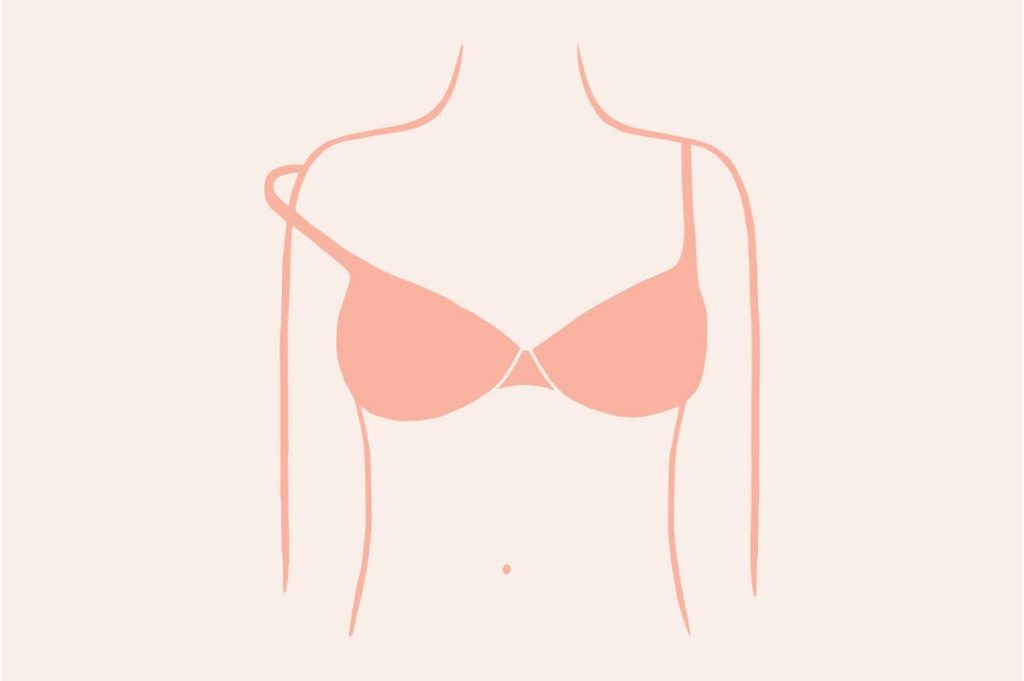
Many fitting specialists estimate that a large percentage of women wear the wrong bra size — not because they don’t care, but because the process feels confusing and uncomfortable.
The good news? You can measure yourself at home in under five minutes.
What You’ll Need
Keep it simple:
-
Soft measuring tape (fabric type)
-
A non-padded, thin bra
-
A mirror (to check tape alignment)
That’s it. No dressing room stress required.
Step 1: Measure Your Band Size (Your Real Support System)
Most people think straps provide the main support. They don’t. The band provides around 80% of support.
How to Measure:
-
Wrap the measuring tape around your ribcage.
-
Position it directly under your bust.
-
Keep it snug but not tight.
-
Make sure it’s level across your back.
-
Exhale normally while measuring.
Band Size Rule:
-
Even number → That’s your band size.
-
Odd number → Round up to the next even number.
Example:
33 inches → 34 band size.
If your band rides up your back, it’s likely too loose.
Step 2: Measure Your Bust Size (Don’t Squish Rule)
Now measure around the fullest part of your bust.
Important:
-
Keep the tape relaxed.
-
Do not press into the tissue.
-
Keep it level.
Write this number down.
Step 3: Calculate Your Cup Size
Subtract your band measurement from your bust measurement.
Each inch difference equals one cup letter.
| Difference | Cup Size |
|---|---|
| 1 inch | A |
| 2 inches | B |
| 3 inches | C |
| 4 inches | D |
| 5 inches | DD/E |
Example:
Bust: 37 inches
Band: 34 inches
Difference: 3 inches
Your size = 34C
Simple and practical.
4 Signs Your Current Bra Size Is Wrong


Even if numbers look correct, fit matters.
1. Cup Gap
If there’s space at the top of the cup, try a smaller cup size.
2. Cup Overflow
If tissue spills over the top or sides, you need a larger cup.
3. Floating Gore
The center piece between cups should lie flat against your chest.
If it lifts away, the cups are likely too small.
4. Band Riding Up
If the back of your bra creeps upward, go down a band size.
Understanding Sister Sizes (My Personal Pro Tip)
This changed everything for me.
If you increase the band size, decrease the cup size to maintain the same cup volume.
Sister Size Examples:
| Original Size | Sister Size Up | Sister Size Down |
|---|---|---|
| 34C | 36B | 32D |
| 32D | 34C | 30DD |
| 36B | 38A | 34C |
This helps when:
-
Band feels too tight but cups fit
-
Cups fit but band feels loose
How Often Should You Re-Measure?
Your size can change due to:
-
Weight changes
-
Hormonal shifts
-
Pregnancy
-
Muscle gain
-
Aging
I personally re-measure once a year.
Final Thoughts
A bra should feel supportive — not distracting.
If you’re constantly adjusting straps or counting the hours until you can take it off, that’s your sign.
Take five minutes. Measure yourself properly. Use the numbers as a guide, then adjust based on comfort.
Your size is not a label. It’s just information that helps you feel better.
— Aarohi
FAQ Section (SEO Boost)
Q1: Can I measure bra size without a bra?
Yes, but wearing a thin, non-padded bra gives more accurate results.
Q2: Why do bra sizes vary between brands?
Different brands use slightly different sizing molds and materials.
Q3: Is it normal for bra size to change?
Yes. Body changes are normal throughout life.